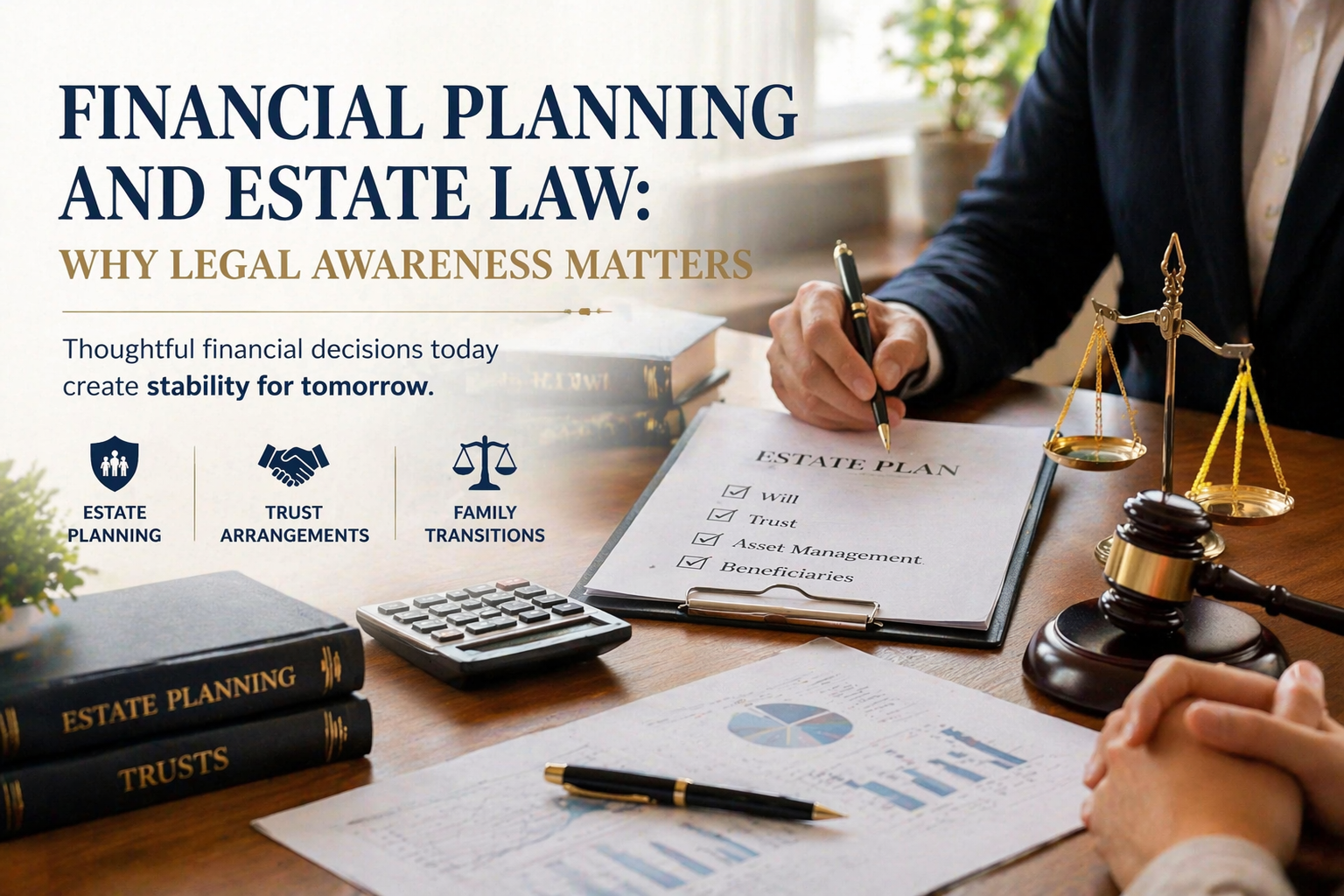

Many people create an estate plan with the intention of completing it once and not revisiting it again. In practice, an estate plan should evolve as your life changes. Major personal, family, or financial events can affect whether your existing documents still reflect your wishes.
In California, failing to review and update an estate plan at the right time can lead to confusion, delays, or outcomes you did not intend. Understanding when updates may be needed can help ensure that your plan continues to protect you and your loved ones.
This article outlines the key life changes that often signal it may be time to update your estate plan.
Why Estate Plans Need Regular Review
Estate planning documents are created based on your circumstances at a specific moment in time. As years pass, those circumstances often change. When they do, your will, trust, or powers of attorney may no longer function as expected.
Outdated estate plans can result in:
- Beneficiaries who no longer reflect your intentions
- Decision-making authority assigned to the wrong individuals
- Property passing through the California probate process unnecessarily
- Additional stress for family members during already difficult periods
Regular review allows adjustments to be made before issues arise.
Marriage or Divorce
Marriage
Marriage often affects how property is owned and how assets are distributed in California. If your estate plan was created before marriage, it may not account for your spouse or your new financial structure.
After marriage, many people choose to review:
- Beneficiary designations
- Trustees, executors, or agents
- Community property considerations
- How their plan aligns with their spouse’s documents
Updating your estate plan helps ensure your wishes remain clear.
Divorce
Divorce is another important time to revisit estate planning documents. While California law may revoke certain provisions benefiting a former spouse, relying solely on default rules can create uncertainty.
Following a divorce, it is often appropriate to review:
- Beneficiaries on wills, trusts, and accounts
- Powers of attorney and healthcare directives
- Guardianship nominations for children
- Trustee or executor appointments
Divorce may also raise related family-law issues, including child custody considerations in California, which can influence broader planning decisions.
The Birth or Adoption of a Child
Welcoming a child into your family is one of the most significant reasons to update an estate plan.
Parents often review their plans to:
- Name guardians for minor children
- Establish trusts to manage assets for children
- Update beneficiary designations
- Plan for education and long-term care
Without updated documents, important decisions may be left to the court rather than guided by your preferences.
Changes in Financial Situation or Property Ownership
Major financial changes can affect how an estate plan operates under California law.
Common examples include:
- Purchasing or selling real estate
- Receiving an inheritance
- Starting, buying, or selling a business
- Changes to retirement or investment accounts
Because California follows community property rules, how assets are classified can influence both estate planning and how property is divided in a California divorce. Reviewing your plan after financial changes helps ensure assets are distributed as intended.
Moving to or Within California
If you have moved to California from another state, reviewing your estate plan is especially important. Estate planning laws vary by state, and documents prepared elsewhere may not fully align with California requirements or procedures.
Even moves within California can raise practical considerations related to local courts, trustees, or property ownership. Updating your plan can help avoid complications later.
Changes in Health or Capacity Concerns
Estate planning also addresses what happens during your lifetime if you are unable to make decisions for yourself.
Changes in health may prompt updates to:
- Powers of attorney
- Advance healthcare directives
- Selection of agents or decision-makers
Clear, updated documents can provide guidance and reassurance during medical or personal emergencies.
Changes in Family Relationships
Family relationships evolve over time. Remarriage, blended families, estrangements, or reconciliations may affect how you want your estate distributed.
Regular review allows you to:
- Adjust distributions thoughtfully
- Clarify intentions to reduce misunderstandings
- Address unique family circumstances with care
Proactive updates can help avoid future disputes and delays.
Legal and Practical Considerations
While many estate planning principles remain consistent, laws and personal priorities can change. Reviewing your plan periodically helps confirm that it still aligns with current legal requirements and your long-term goals.
An updated plan may also reduce the likelihood that your estate will need to go through the California probate process, which can save time and reduce administrative burdens for loved ones.
How Often Should You Review Your Estate Plan?
A common guideline is to review your estate plan every three to five years, or sooner if a major life event occurs. Even when no immediate changes are needed, a review can confirm that your documents continue to reflect your intentions.
A Thoughtful Approach to Planning Ahead
Updating an estate plan does not always require starting from scratch. In many cases, targeted updates can make a meaningful difference. Taking time to review your plan after important life changes can help ensure clarity and provide peace of mind for both you and your family.
Being informed and proactive today can help prevent confusion tomorrow.
Every situation is different. If you would like guidance tailored to your circumstances, speaking with an experienced attorney can help bring clarity and direction.
You may contact Rita Holder Law at (925) 482-8910 or [email protected] for more information.