
A Beginner’s Guide to Your First Will
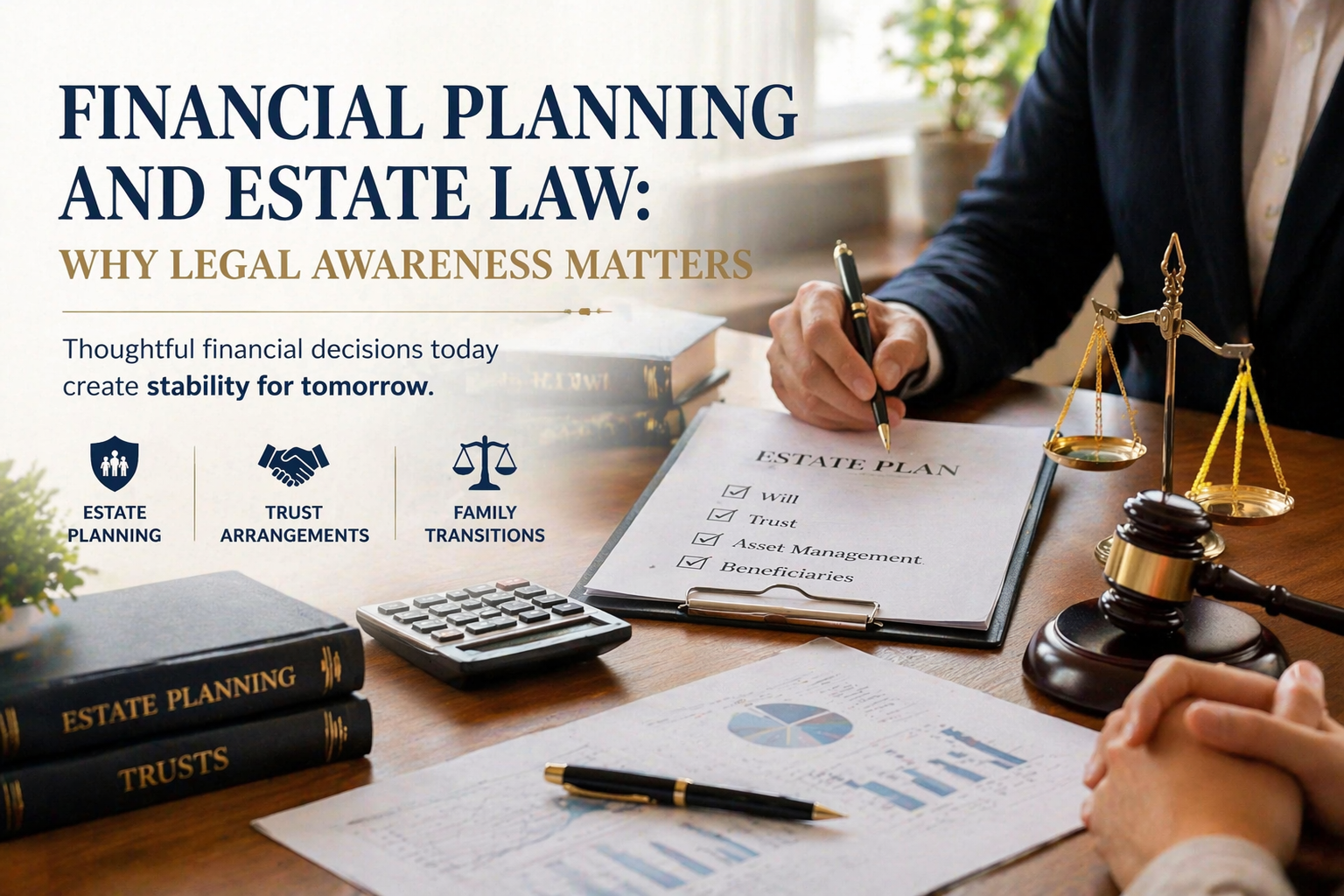
Most adults understand that, at some point in their lives, they may need to create a will.
While thinking about our death, and what happens afterward, may not be pleasant, it may be necessary, if you want to be a good steward of your money and other assets. At Rita Holder Law, we are here to help you do just that.
In this blog post, we give you an easy-to-understand path for making your will. We’ll also help you understand “all about a will” by explaining:
- why a will matters.
- what assets to include in your will.
- why you need to be specific and realistic.
- why including a letter along with your will is a good idea.
- the need to store your will, and update your will.
Why a Will Matters
According to dhs.gov, having a will is a good idea, because:
- It lets you have control over where your assets go after you pass away.
- With your will, you can appoint a guardian for your children, in the case that both you and your partner pass away.
- It makes the distribution of your assets go smoothly, and can prevent lengthy and expensive disputes after you pass.
- It allows you to choose who will be in charge of managing and distributing your assets (This person is called the executor of your will).
- In addition to the reasons listed above, it’s possible to lower estate taxes with a well-prepared will.
Assets to Include in Your Will
According to FindLaw, (an online legal database that provides resources for both attorneys and the public), assets that you should list in your will are:
- Monetary assets, including bank accounts, bonds, stocks, etc.
- Properties types such as real estate, businesses, etc.
- Personal property, including jewelry, cars, and pets.
Are There Any Assets That Should Not Be Included in a Will?
Yes. Assets that should not be in a will are:
- Assets that are owned jointly, with a right of survivorship. Due to the right of survivorship, these assets will automatically go to the other owners.
- Life insurance policies, because they come with their own beneficiary designation form.
- Assets you have placed in a living trust, as these are owned by the trust. The trust should have its own designated beneficiaries.
Guardianship Issues
According to the Legal Information Institute (LII) at Cornell Law School,
Guardianship refers to the legal role given to someone who will:
- manage an individual’s personal activities, or
- manage an individual’s resources
when the individual cannot do so on their own.
As in the case mentioned above, frequently, guardianship is used to ensure the welfare of a child, if both parents have passed away.
Be Specific and Realistic About Who Gets What
Basically, the more specific and realistic you can be in your will, the better.
In terms of being specific, stating that you want your assets divided equally among your children, even though there isn’t an easy way to divide them into equal parts, can lead to problems.
In terms of being realistic, leaving your assets to young children without deciding how these assets are to be managed until the reach a certain age, can also lead to problems.
Including a Letter with Your Will
Many people add a personal letter or Memorandum to their will, explaining why they divided their assets the way they did. This can minimize conflict after you pass away by helping your beneficiaries understand why you made the decisions you did.
Storing Your Will Properly
Keep your will someplace safe and secure. Many people choose to keep it in a fireproof safe.
It’s also important that someone you trust knows where to find your will.
Updating Your Will
Once you have created a will, it’s not a “set and forget” kind of thing. As situations change, you may need to update your will to reflect the new circumstances.
It’s great if you review your will annually. In addition to your regular review, big life changes may necessitate an update to your will, also. These include:
- a marriage or divorce.
- a birth, adoption, or death of a child.
- a substantial decrease or increase in your assets.
- a move to a different state.
Other situations that may call for a will update are:
- if the California law changes.
- if you change your mind, for any reason, about what you want your will to say.
At Rita Holder Law, we look forward to working with you to satisfy all your estate planning needs. Please contact us with our easy Contact Form or give us a call today at 925-401-7885.